

When it comes to home remodeling, lighting is an essential aspect that can make a significant difference in the overall aesthetic and functionality of a space. Choosing the right lighting can transform a room’s mood, highlight its best features, and make it more inviting. With that in mind, here are some of the different types of lighting to consider for your home remodeling project along with the definitions of common terms you may hear in the process.
Ambient Lighting
Ambient lighting is also known as general lighting, and it provides overall illumination for a room. It’s usually the first layer of lighting to be installed and should be bright enough to light up the entire room. Common sources of ambient lighting include recessed lights, chandeliers, and pendant lights. See how Kathryn Wheeler used pendant lights in the Montebello kitchen.
Chandelier: A chandelier is a decorative light fixture that hangs from the ceiling and features multiple arms or branches with bulbs.
Pendant: A pendant is a light fixture that hangs from the ceiling and features a single bulb or a small cluster of bulbs.

Recessed lighting: Recessed lighting is installed into the ceiling and features a bulb that is set back into the fixture, creating a streamlined look.
Illumination: The use of lighting for practical or artistic purposes.
Diffused Light: Light produced by an extended surface, either directly or through reflection. Diffused light provides a uniform and soft distribution that minimizes shadows.
Wat: Measurement unit for the electric power consumption of lighting fixtures, or any other appliance that runs with electricity. In lighting, lumens can be compared to miles traveled and watts can be compared to fuel consumption.
Warm White: White light that is characterized by a yellow tinge. The term is generally used for lighting with a correlated color temperature (CCT) of around 3000K.
Cool White: A light source with a correlated color temperature of around 4100K. The term comes from the fact that light sources at this color temperature value do not have the characteristic yellow hue of incandescent bulbs or warm white LED lamps.
LED: Acronym for light-emitting diode, a solid-state component that emits light when exposed to electric current. LED lighting represents the state-of-the-art in the industry, outclassing most other types of lighting in terms of energy efficiency, design flexibility and colors of light available.
Task Lighting
Task lighting is designed to illuminate specific areas where activities are performed, such as reading, cooking, or applying makeup. It should be bright enough to prevent eye strain, but not too bright to cause glare or shadows. Common sources of task lighting include under-cabinet lights, desk lamps, and vanity lights. See an example in this Mullica Hill bathroom designed by Anne van de Rijn.
Under Cabinet Lighting: Installed under a cabinet or shelf, this lighting is used to produce localized lighting and can also serve as a night light. It can come in LED, fluorescent, incandescent versions.
PAR Lamp: PAR is an acronym for parabolic aluminized reflector, and it is used to shape the output of a light bulb into a directional beam. PAR lamps typically use incandescent, halogen or HID bulbs, and there are also LED replacements available. PAR lamps are available with both screw bases and pin bases. The PAR designation is followed by a numerical value indicating the lamp diameter in 1/8ths of an inch. Some of the most common types are PAR20, PAR30 and PAR38.
Light Pollution: Any lighting output emitted in unwanted directions, which may have negative consequences. An example of light pollution is when parking lot fixtures emit bright light sideways, exposing drivers to glare.

Foot-candle (fc): Measurement unit for illuminance, or lumens per unit of area. One foot-candle is equivalent to one lumen per square foot (See Illuminance).
Correlated Color Temperature (CCT): Unlike the CRI, which describes how faithfully a light source represents other objects, the correlated color temperature (CCT) describes the color output of the lamp itself. Some common CCT values include:
- 2700K with a warm tinge of yellow that creates appealing and relaxing environments
- 4000K a neutral white tone that strikes the right balance between relaxation and concentration
- 6500K with a slight tinge of blue, which has an energizing effect
Although the correct technical term is correlated color temperature, it is often shortened to only color temperature. It is also important to note that the CCT is not the real operating temperature of a lamp – it is the temperature to which you would have to heat a black body to make it glow with the same color. For example, an LED bulb with a CCT of 5000K glows in the same color as a black body heated to a real temperature of 5000K, but the LED bulb itself does not reach that temperature.
Accent Lighting
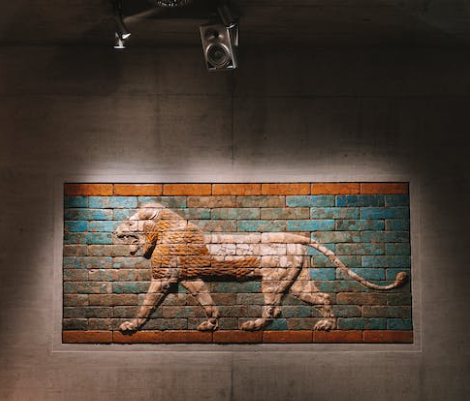
Accent lighting is used to highlight specific features of a room, such as a piece of artwork, a decorative wall, or a unique architectural element. It should be brighter than ambient lighting and can be directional to create drama and depth. Common sources of accent lighting include spotlights, track lights, and picture lights. You may find the use of this lighting most in styles like Dark Academia. You will even find it in our Mt. Laurel Design Center! We use track lights to highlight our project photos.
Direct Lighting: Lighting where more than 90% of the light goes directly from the source to the area you wish to illuminate.
Lumens: Lumens are a measure of the amount of light emitted by a bulb or fixture. The higher the number of lumens, the brighter the light.
Color Rendering Index (CRI): A metric used to describe how faithfully a light source can render the true colors of objects and spaces, where natural light sources like the sun have a perfect index of 100. Using lamps with a high CRI value is very important in high-end interior design, as they enhance the visibility of décor and fine details.
Backlighting: Lighting designed to illuminate an object from behind, which causes an appealing glow effect around its edges. Backlighting is a type of accent lighting and is commonly used to draw attention to works of art. Backlighting should not be confused with backlight, an undesirable lighting effect that can be produced by outdoor fixtures.
Saturation: The resulting “colorfulness” when objects are exposed to a light source, compared to that resulting from natural lighting. If the colors appear more intense, the light source saturates them; on the other hand, if colors are dulled, the light source desaturates them.
Natural Lighting
Natural lighting refers to the use of natural light sources, such as windows and skylights, to illuminate a room. It provides a warm and inviting ambiance and can be a significant factor in energy efficiency. It’s essential to consider the orientation of your home and the time of day when planning natural lighting to maximize its benefits. Maximizing natural light in a space is commonly important to home design styles like Coastal Grandmom.
Baffle: An opaque or translucent component that blocks direct sight of a lighting source.
Glare: Visual impairment caused by a bright source of light, directly visible or reflected by a surface. There are two types of glare:
- Discomfort glare causes an instinctive reaction to close the eyes and look away. This is the type of glare felt when exposed to a potent HID light or when the sun is directly visible through a window.
- Disability glare impairs vision but does not cause the same reaction as discomfort glare. If a light source gets reflected on your laptop screen, for example, it does not bother your eyes but distinguishing objects on the screen may be impossible.

Dimmer Switches
A dimmer switch is a device that allows you to adjust the brightness of a light source to create different moods and save energy. They are a great way to control the intensity of your lighting and create different moods for different occasions. They allow you to adjust the brightness of the lighting to suit your needs and can help you save energy. Homeowners seem to prefer this type of lighting in the dining area, kitchen and basement.
Continuous Dimming: Dimming method where the lamp output can be adjusted at any level between OFF and 100% output, without incremental steps.
Kilowatt (kW): Measurement unit for electric power, equivalent to 1000 watts. This term should not be confused with kilowatt-hour.
Energy Star: An energy savings and sustainability program by the US Department of Energy and Environmental Protection Agency. Lighting products with the ENERGY STAR have been tested for superior energy efficiency.
Lighting is an essential component of home remodeling, and it’s crucial to choose the right type of lighting for each room. A combination of ambient, task, accent, natural lighting, and dimmer switches can create a balanced and functional lighting scheme that enhances your home’s overall appeal.
As you can see, there is much to consider! Our Remodeling Designers are here to walk you through each consideration from start to finish.